



процесс линии отжига и травления
water quenching process is a key solution in the manufacturing industry, specifically within Special Equipment Manufacturing Industry and Manufacturing of metallurgical specialized equipment. This article explores how Beijing Yang Wang Li Xin Sci&Tech Co.,Ltd. supports professionals with durable, high-performance products, and explains why this product is an ideal choice for businesses in these sectors. Table of Contents water quenching process Overview Benefits & Use Cases of water quenching process in Manufacturing of metallurgical specialized equipment Cost, Maintenance & User Experience Sustainability & Market Trends in manufacturing Conclusion on water quenching process from Beijing Yang Wang Li Xin Sci&Tech Co.,Ltd. water quenching process Overview In long-products metallurgy, the water quenching process is a controlled, accelerated cooling stage that follows hot rolling, forging, or heat treatment. By precisely managing water flow, pressure, and distribution, the system tailors heat extraction to achieve target microstructures and mechanical properties in bars, wire rod, and profiles. A modern water quenching device uses modular spray/nozzle banks, variable-speed pumps, zone-by-zone control, and temperature feedback to ensure uniform cooling along the entire product length and cross-section. This results in consistent hardness, strength, and toughness while minimizing distortion and surface defects. For B2B decision makers—plant managers, CTOs, and metallurgical leaders—the relevance is clear: higher throughput, tighter quality windows, and reliable downstream performance. Beijing Yang Wang Li Xin Sci&Tech Co.,Ltd. designs and manufactures robust water quenching systems for bar and wire lines, integrating automation, filtration, and instrumentation for stable and repeatable results. With expertise in the Special Equipment Manufacturing Industry and the Manufacturing of metallurgical specialized equipment, the company’s systems are engineered for harsh mill environments and continuous operation, helping producers reduce variability and safeguard product compliance. Benefits & Use Cases of water quenching process in Manufacturing of metallurgical specialized equipment Applications span TMT rebar production, high-strength wire rod, spring and bearing steels, and alloyed bars for machining and structural parts. In each case, the water quenching process governs microstructure evolution—enabling tailored combinations of strength and ductility—while controlling scale, surface integrity, and dimensional stability. For integrated mills and mini-mills alike, a well-designed water quenching device enhances rolling-line flexibility: operators can quickly adjust recipes to meet different grades, diameters, and customer specifications without sacrificing throughput. Precision control: zone-based cooling, automated setpoints, and temperature feedback improve uniformity and reduce scrap. Operational reliability: corrosion-resistant piping, rugged nozzles, and efficient filtration extend service intervals and uptime. Quality advantage: consistent microstructures help meet stringent standards while improving downstream machinability and fatigue performance. Beijing Yang Wang Li Xin Sci&Tech Co.,Ltd. brings proven engineering to each installation—matching pump sizing, nozzle layouts, and controls with line speed, product range, and grade mix. The result is a competitive, fit-for-purpose solution that integrates seamlessly with existing rolling or heat-treatment lines, helping metallurgical equipment manufacturers deliver predictable product performance to end users. Cost, Maintenance & User Experience Total cost of ownership for a water quenching system hinges on energy, water usage, maintenance, and downtime. By employing efficient pumps, closed-loop water management, and optimized spray patterns, modern systems reduce operating costs while maintaining cooling performance. For many mills, the ROI is driven by higher yield, fewer rejects, and shorter changeovers—value that compounds on high-throughput lines typical of the Special Equipment Manufacturing Industry. Durability: stainless and coated components resist corrosion and scale; modular assemblies simplify spares and service. Maintainability: multi-stage filtration and accessible nozzle banks minimize clogging; clear instrumentation aids troubleshooting. User experience: intuitive HMI/PLC interfaces, recipe libraries, and remote monitoring help teams maintain consistency across shifts. Customers report steadier product quality, smoother audits, and fewer unplanned stoppages after adopting water quenching from Beijing Yang Wang Li Xin Sci&Tech Co.,Ltd. The company’s approach to training and commissioning supports fast ramp-up, while lifecycle services help protect asset value over time. Sustainability & Market Trends in manufacturing Global steel and metallurgical value chains are advancing decarbonization, digitalization, and water stewardship. Regulations increasingly emphasize water recycling, effluent quality, and responsible resource use. Within this context, the water quenching process is evolving with closed-circuit cooling, intelligent flow control, and data logging for traceability. Mills seek equipment that supports ISO 14001 practices, aligns with environmental permits, and integrates with plant-wide MES/quality systems. Beijing Yang Wang Li Xin Sci&Tech Co.,Ltd. designs water quenching solutions that prioritize water efficiency, stable operation, and cleanability—helping manufacturers cut consumption and reduce discharge risks. Smart sensors and analytics enable proactive maintenance, while robust filtration reduces scale and sludge generation. By combining practical engineering with forward-looking controls, the company positions B2B buyers for compliance, resilience, and competitiveness in fast-moving metallurgical markets. Conclusion on water quenching process from Beijing Yang Wang Li Xin Sci&Tech Co.,Ltd. The water quenching process is essential to delivering consistent, high-performance bars and wire rod across the Special Equipment Manufacturing Industry and the Manufacturing of metallurgical specialized equipment. With precise control, reliable hardware, and smart automation, it boosts quality, productivity, and sustainability outcomes. Beijing Yang Wang Li Xin Sci&Tech Co.,Ltd. stands out as a dependable partner, offering engineered systems, responsive service, and lifecycle support that de-risk investments for B2B decision makers. Contact us: email: Alley.wang@bjywlx.com . Visit our website: https://www.bjywlx.com .

We have successfully executed over 500
projects around the world,
many first-of-their-kind
research projects and products in China, including
We have successfully executed over 500
projects around the world,
many first-of-their-kind
research projects and products in China, including
-
2004
The 1st hydraulic AGC system for hot rolling of ribbon steel
-
2006
The 1st AFC system used for 1450mm skin pass mill
-
2009
The 1st 5-stand tandem line with 2-stand POR & Uncoiler for 650mm ribbon steel
-
2012
The 1st reversing mill for 1380mm strip
-
2016
The 1st soft-rolling system used in skin pass mill
-
2019
The 1st fully automated medium-width tandem cold rolling mill
-
2021
The 1st 5000KN Twin-stand double skin pass mill
-
2022
The 1st coupled pickling line & tandem cold mill with two modes - big roller & small roller
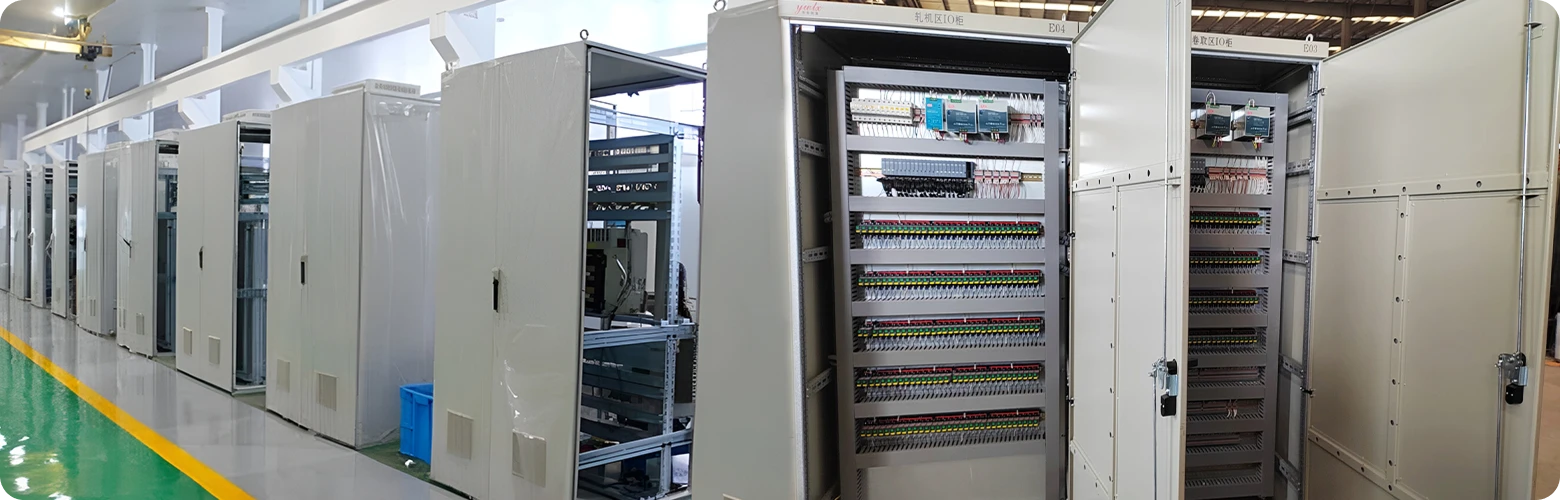
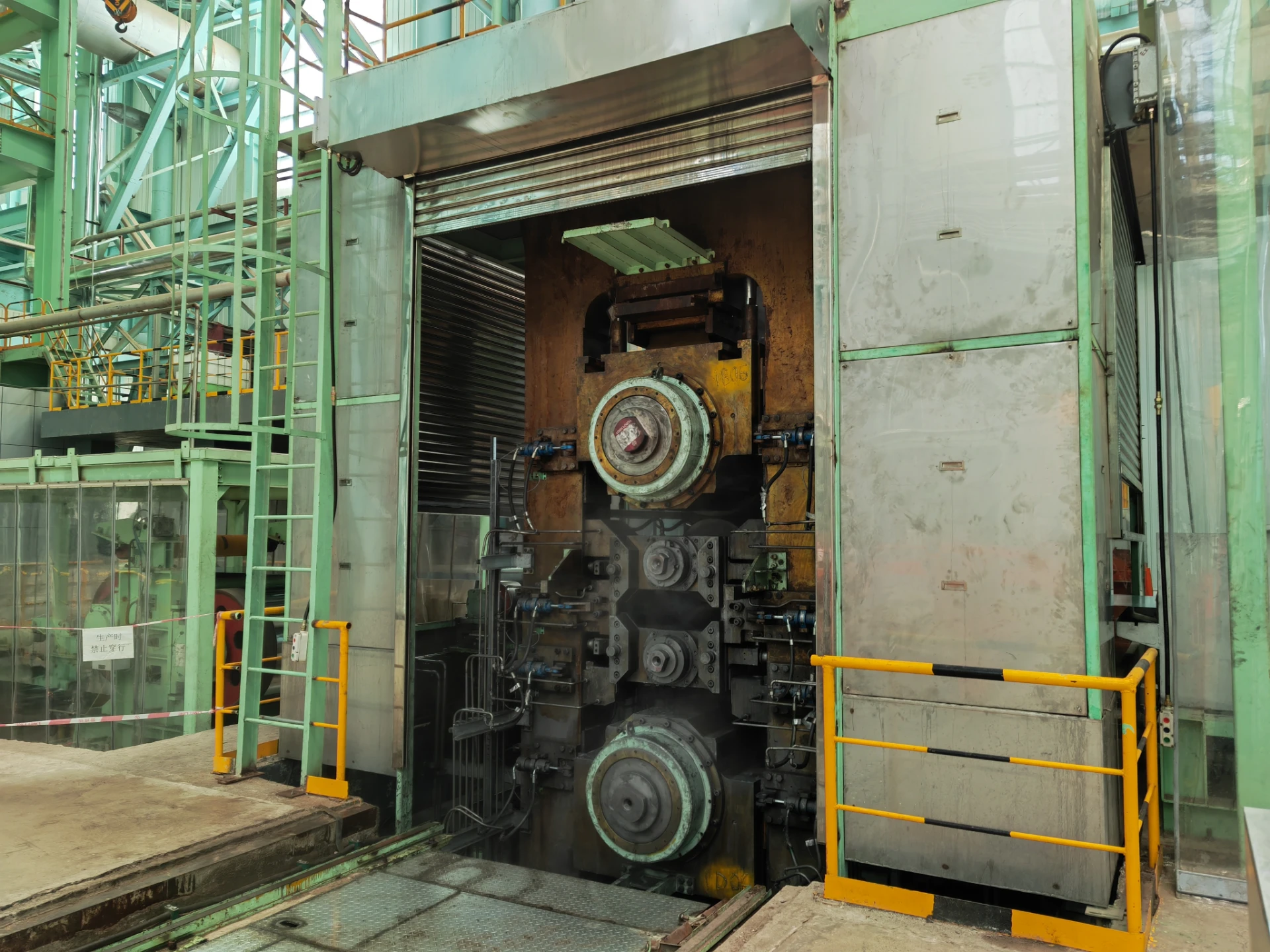
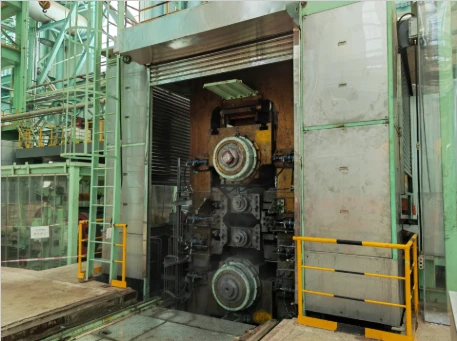
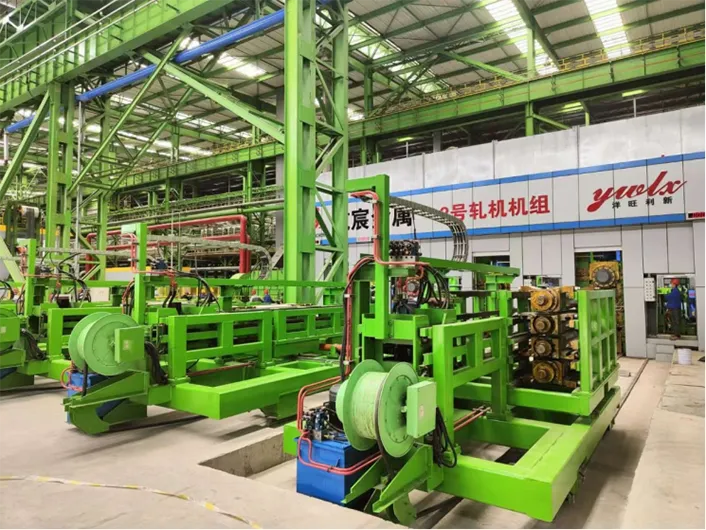
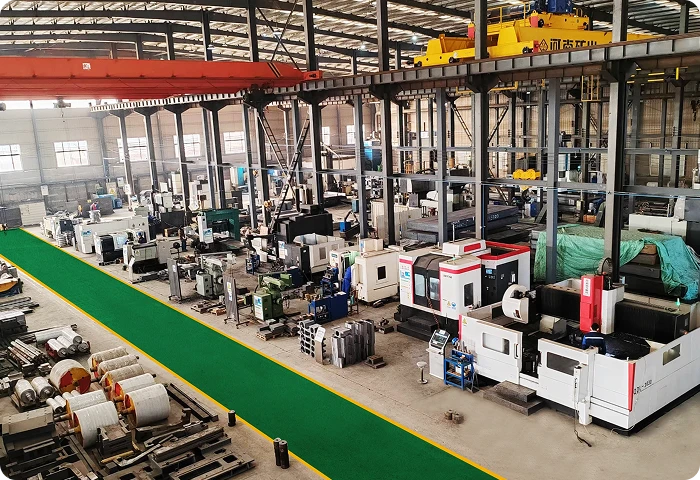
Yang Wang Li Xin operates a state-of-the-art facility over 66,000 square meters,and our manufacturing facility is fully equipped with high-tech machinery and high-capacity cranes. This enables us to handle large work pieces measuring 4.5m in width, 10m in length, and 1.5m in height, guaranteeing our capacity to produce 1800mm skin-pass mills and 1450mm rolling mills. The individual piece can weigh up to 100 tons.

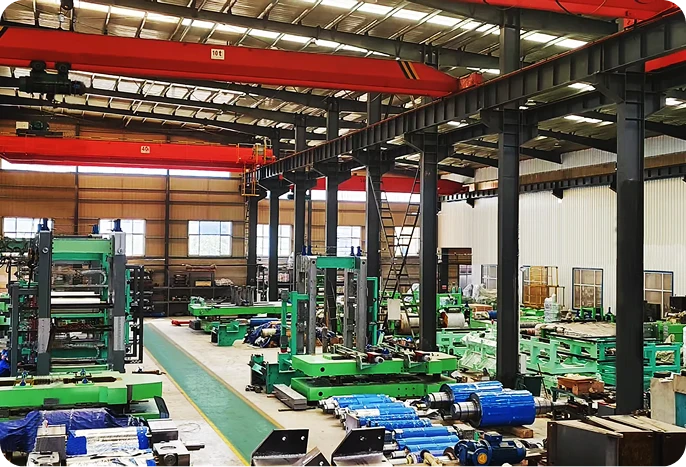

Quality is fundamental to the enterprise survival. We have established a comprehensive and meticulous quality management system and have successfully obtained ISO14000 certification. Starting from the design source, it supervises the entire production cycle, including design, procurement, processing, assembly, in-factory testing, installation, and online commissioning. The workshop is equipped with measuring tools like vernier calipers, spectrometers, hardness testers, and ultrasonic flaw detectors. They are used to check materials and control tolerances to ensure the final equipment meets or exceeds requirements. All products have a unique code, This enables the easy identification and traceability of the equipment components and ensures full control of quality.


-
 laminazione a freddo nastriCold rolling in the industry of steel strip production represents a critical advancement in manufacturing, offering precision, superior quality, and robust performance characteristics to meet a variety of needs across different sectors. This sophisticated process not only highlights technological innovations but also ensures that the products meet stringent quality standards while enhancing operat
 -
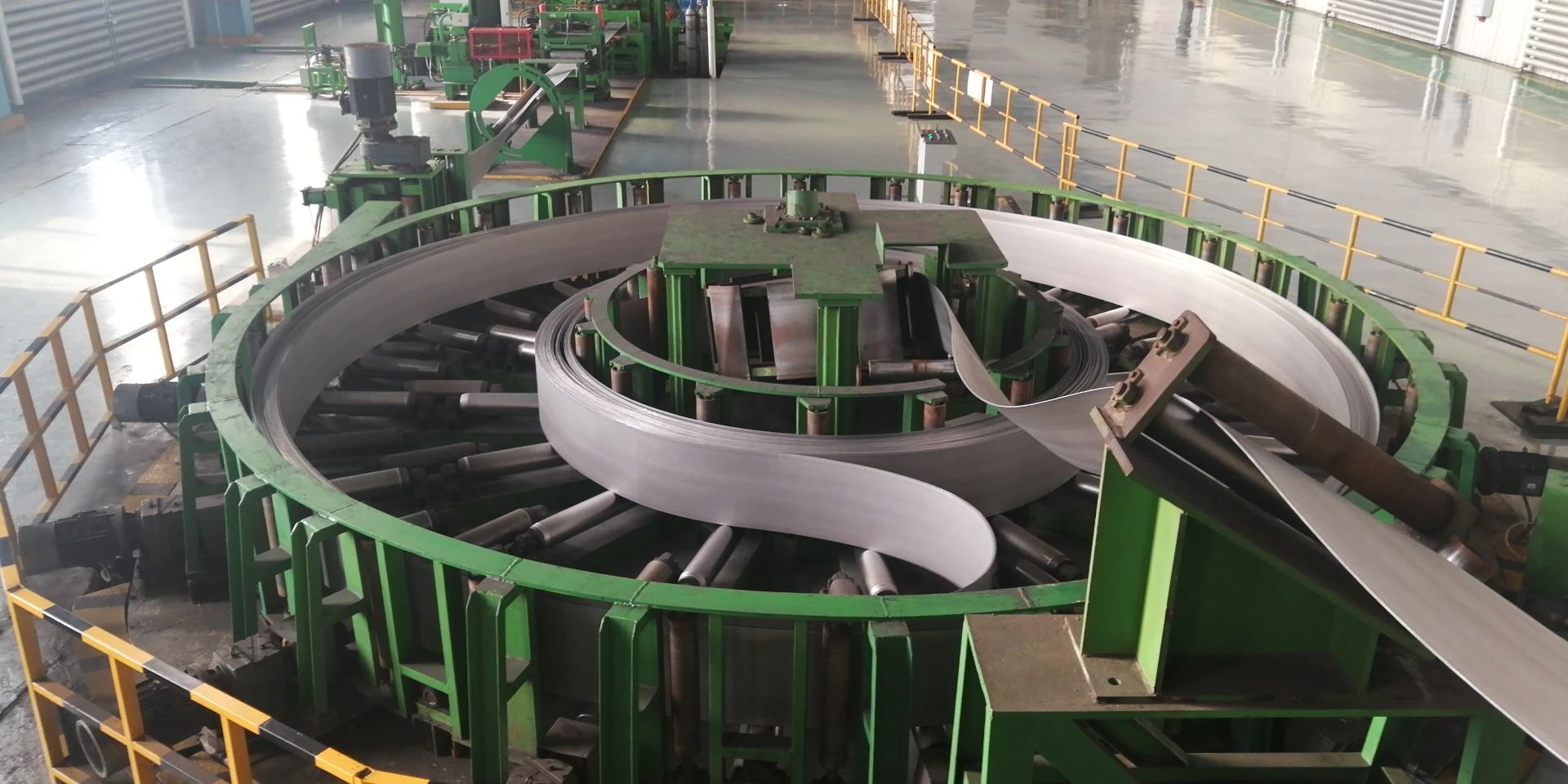 Advanced Reversible Rolling Mill: Precision & EfficiencyReversible Rolling Mills: Driving Precision and Efficiency in Metal Production In the highly competitive landscape of metal manufacturing, the demand for superior material quality, tighter dimensional tolerances, and increased production efficiency continues to grow. At the forefront of meeting these stringent requirements is the reversible rolling mill – a cornerstone technology vital for both ho
 -
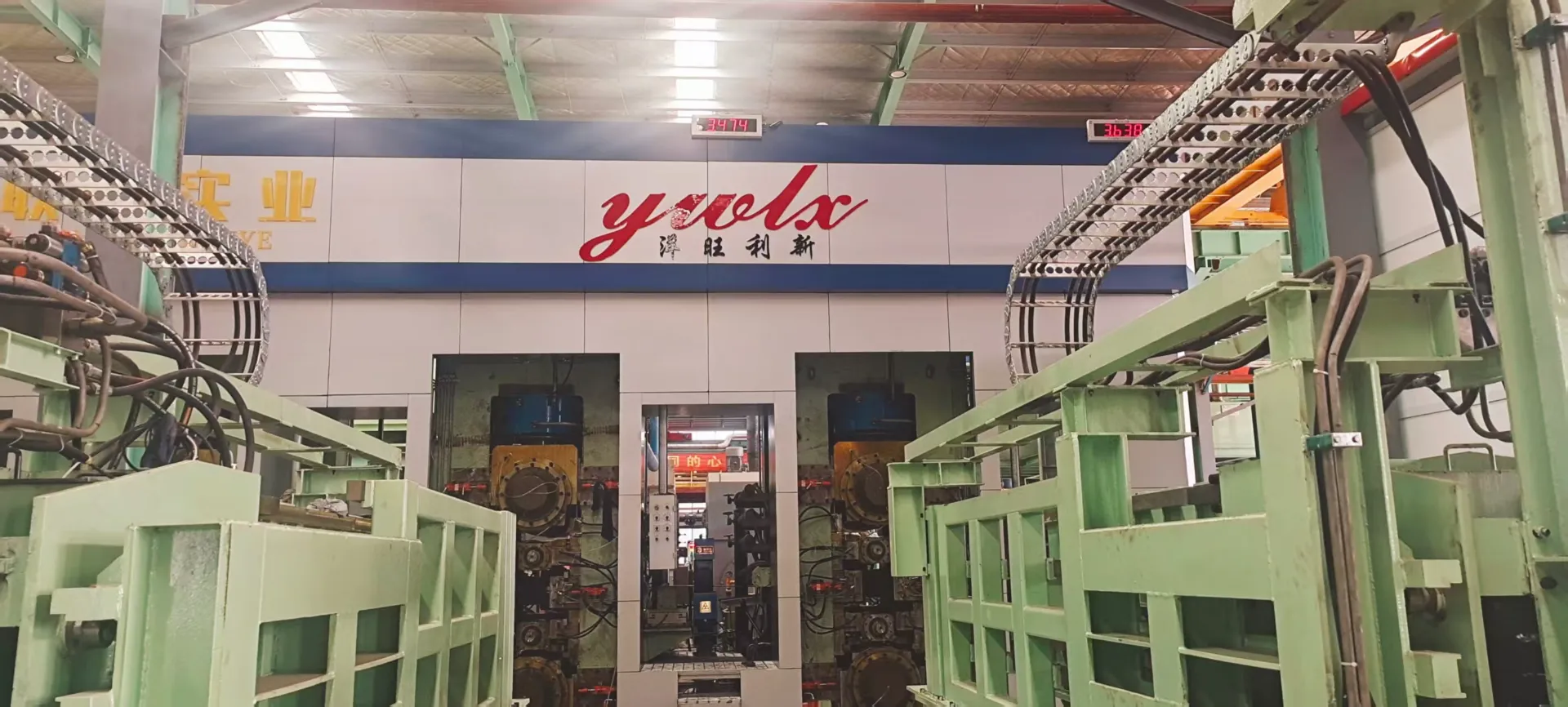 How AGC Enhances Thickness Control in Steel StripsModern steel production demands precision thickness control that only an advanced AGC system (Automatic Gauge Control system) can deliver. These sophisticated systems have revolutionized strip steel manufacturing by maintaining tolerances within microns across entire production runs. At the heart of this technology lies the AGC controller , a powerful computational unit that continuously monitors


